


"We have come through the era when film was disappearing, into an era when its names are changing. But the names are not the only thing changing."
Something felt off last September, when Eastman Kodak released two new films called Kodacolor 100 and 200. The name was an old one, but it was the first new 35mm color negative distributed by Kodak headquarters itself in nearly ten years. The price was about $9 a roll. It looked like a small event. In fact it was a beginning.
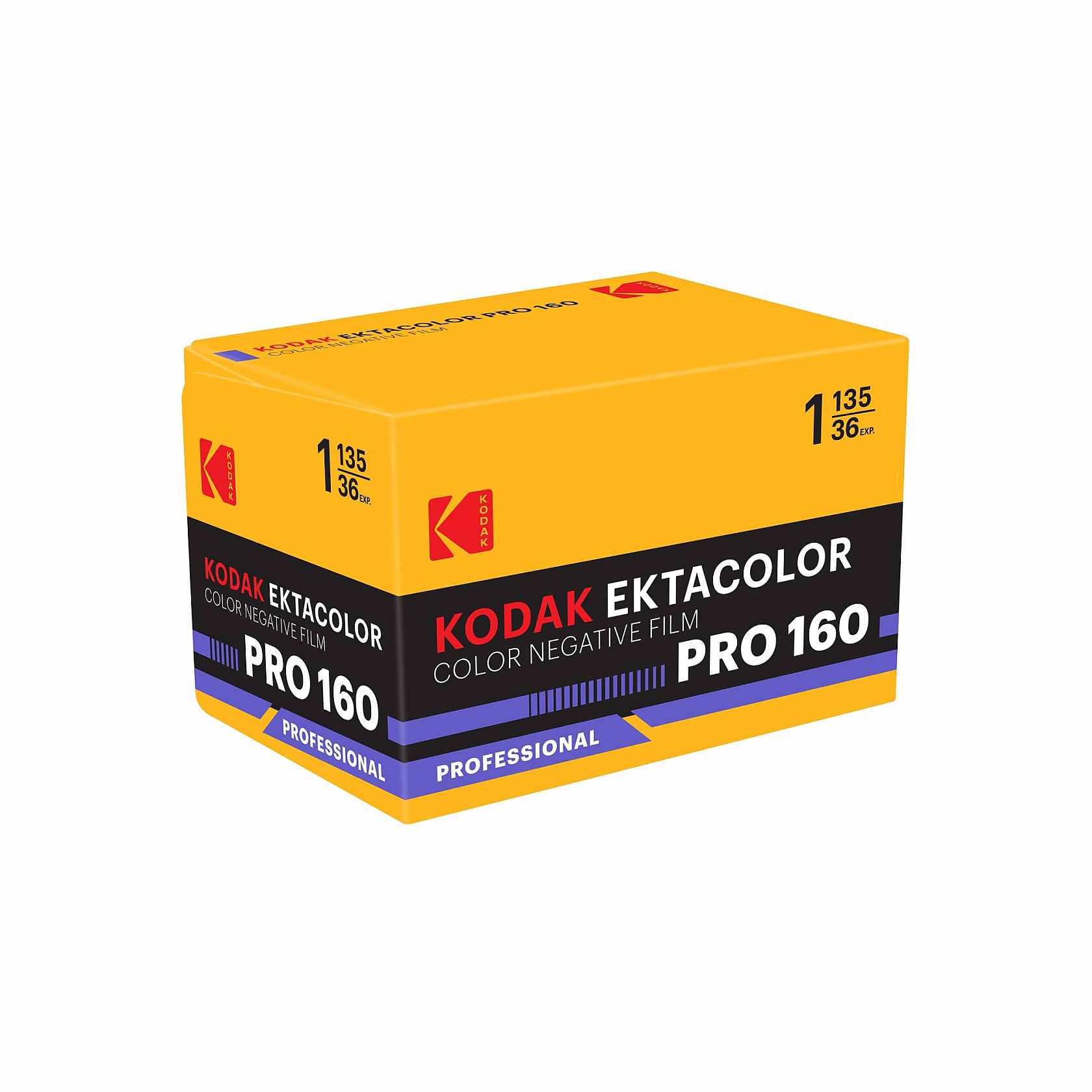
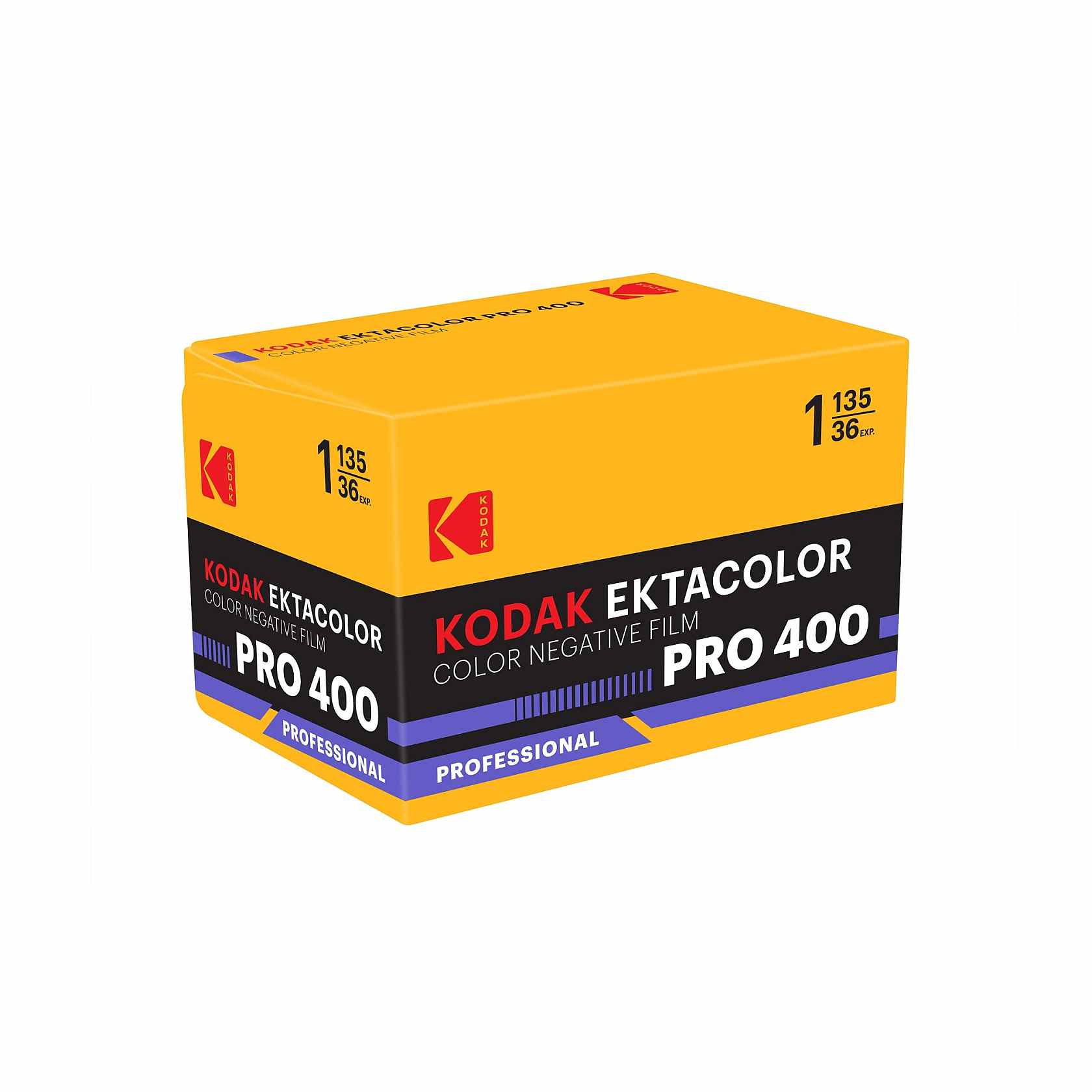
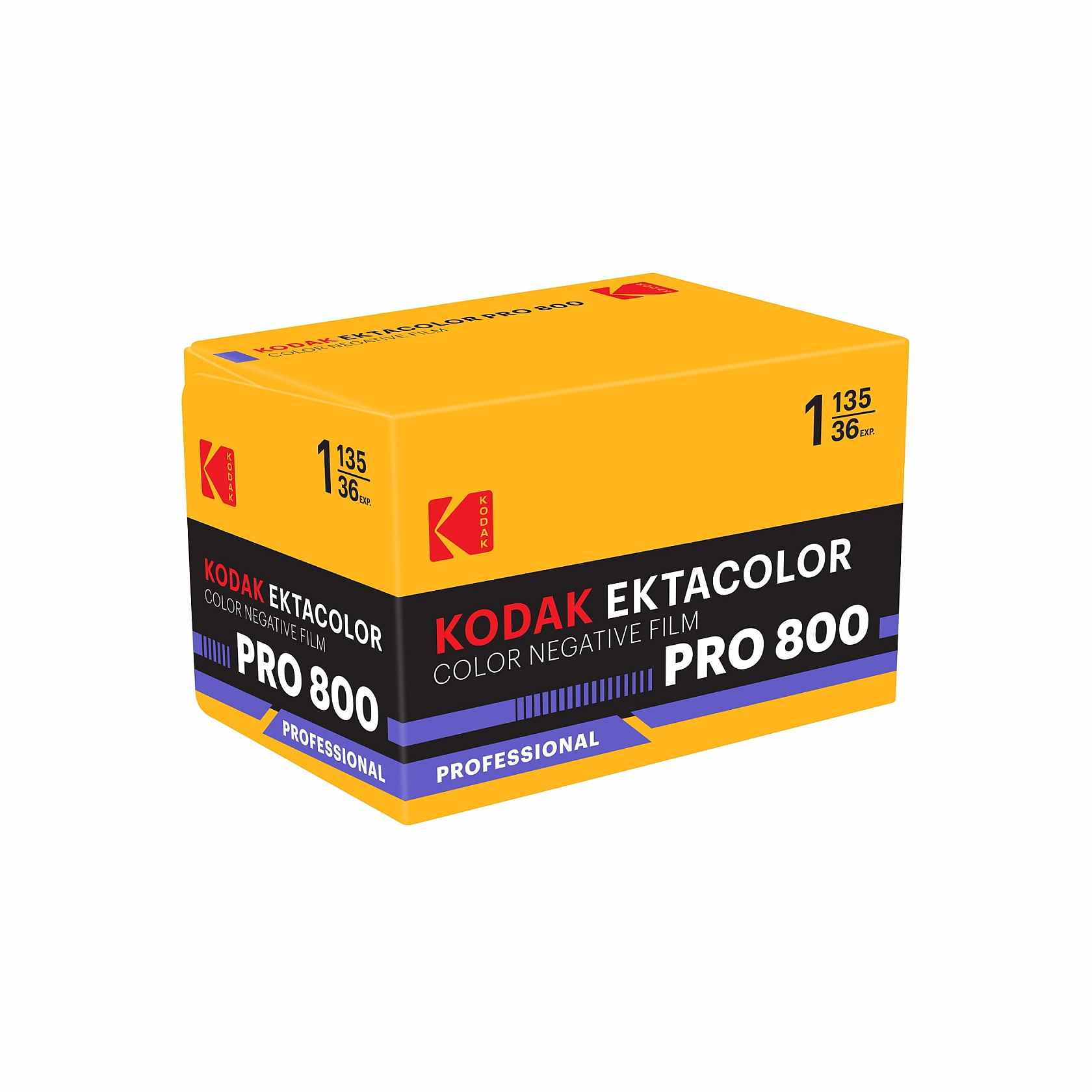
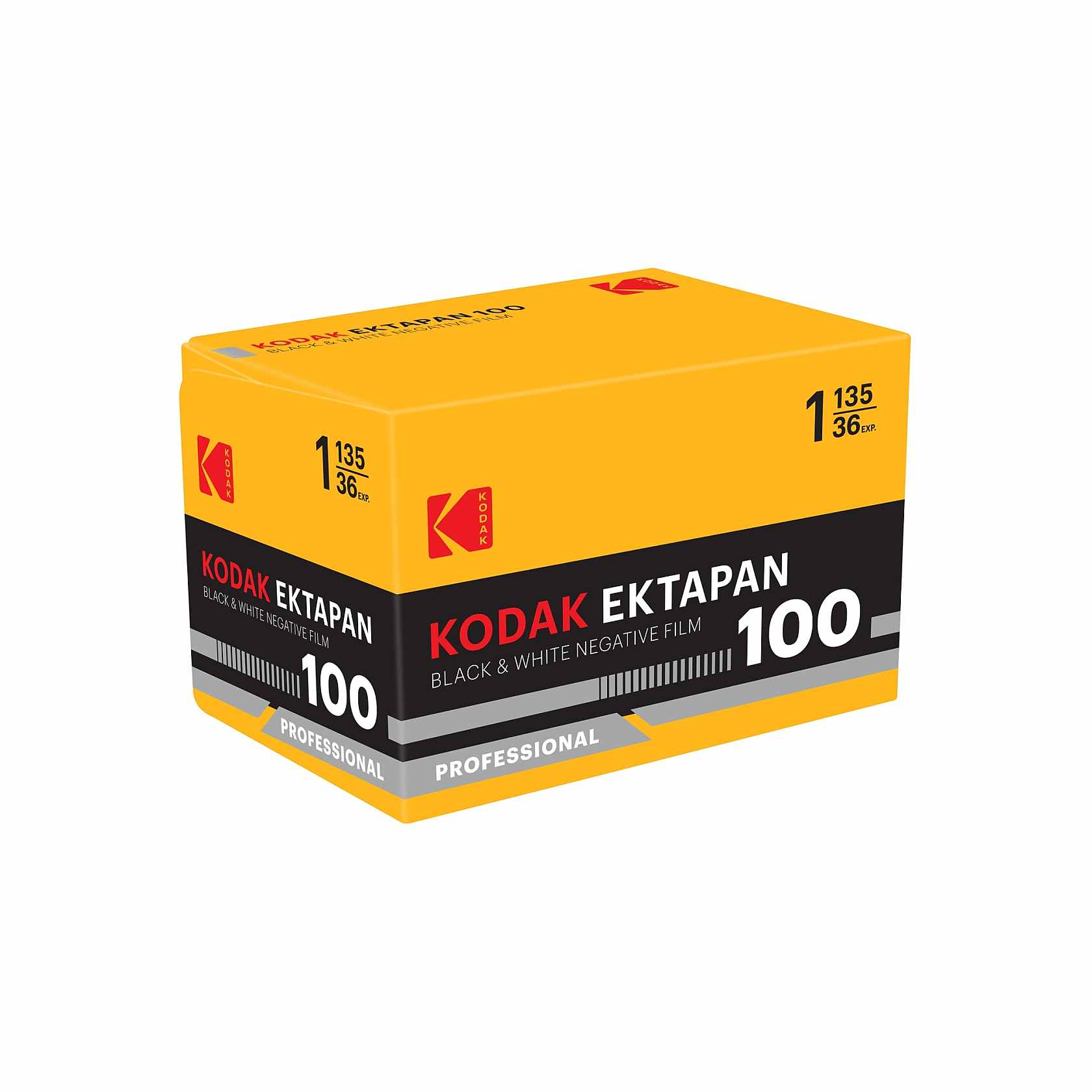
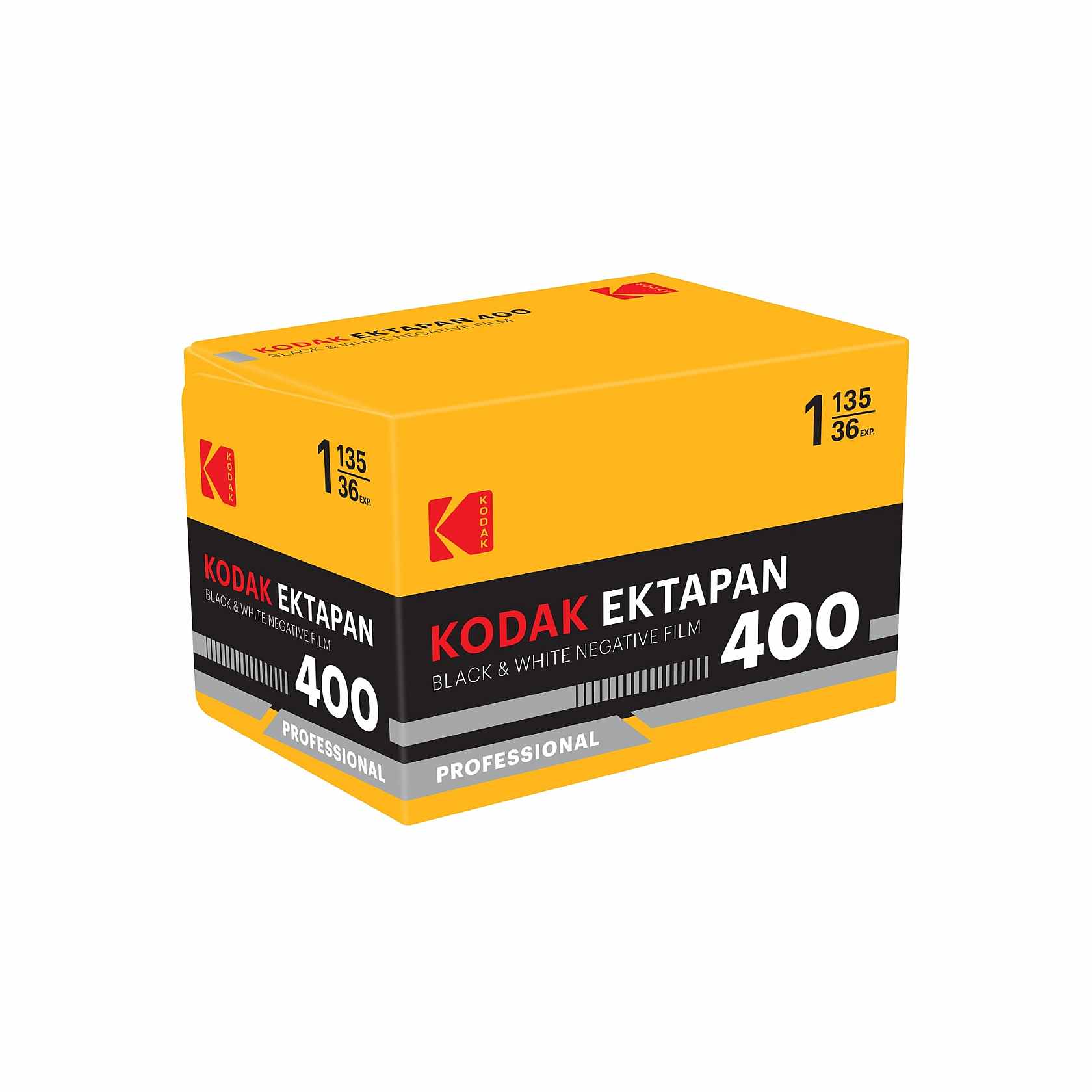
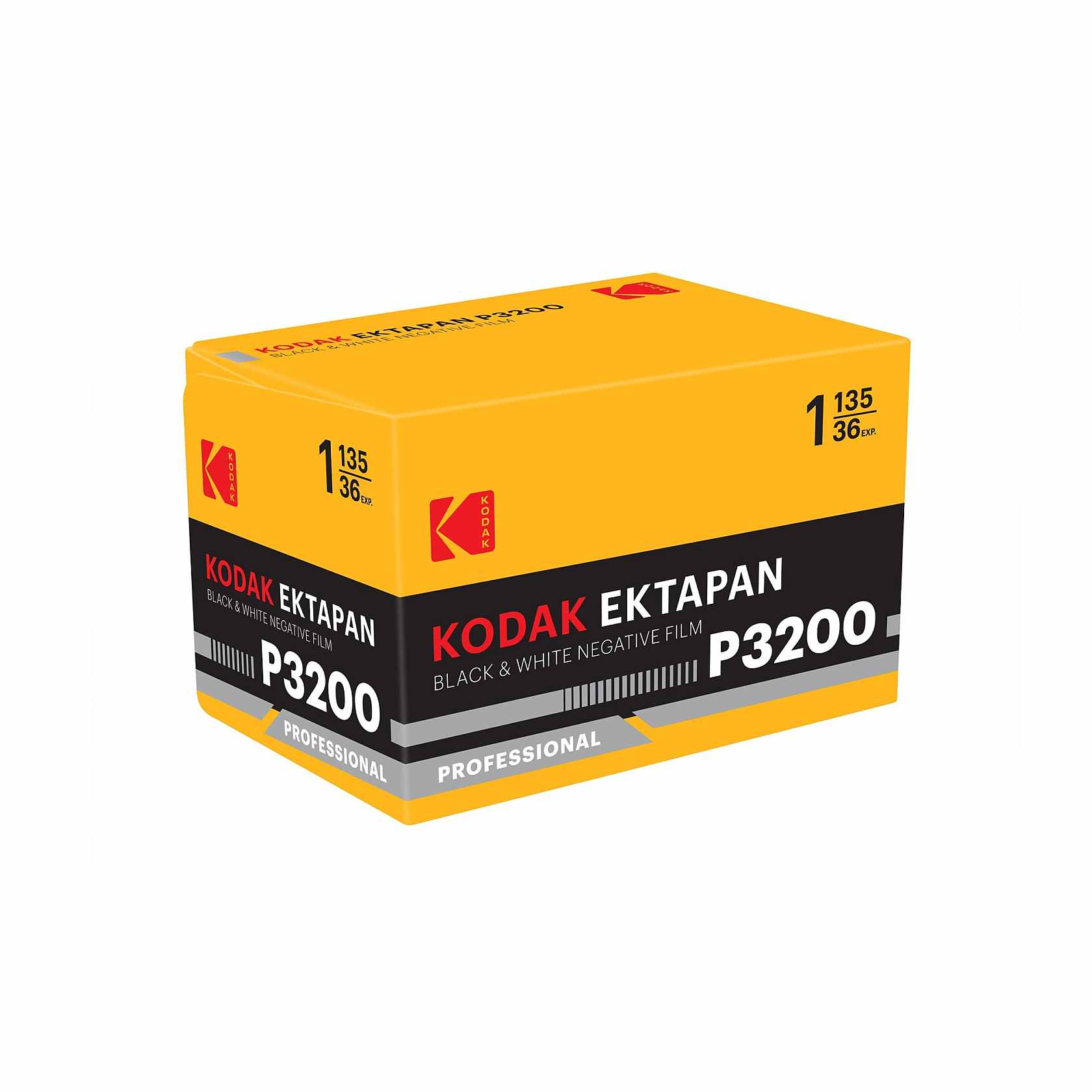
On March 24 this year, Kodak opened the bag for real. Three color negatives in the Ektacolor Pro 160 / 400 / 800 line, and three black-and-white films in the Ektapan 100 / 400 / P3200 line. Six films under new names, all at once. In May, the lineup grew further to include large-format sheet film and 100 ft bulk rolls.
The catch is that these names are not new. Ektacolor had been Kodak's professional color negative brand since 1947, and Ektapan was the name of a black-and-white film in the '60s. In other words, Kodak pulled classic names out of the '60s and attached them to films we already know well.
The lineup: in effect, a rebrand of Portra and T-Max
First things first. Ektacolor Pro 160 / 400 / 800 uses the same emulsions as Portra 160 / 400 / 800. Ektapan 100 / 400 / P3200 uses the same emulsions as T-Max 100 / 400 / P3200. The film itself is identical. Only the box is different. Ektacolor Pro runs about $16.99 a roll and Ektapan about $10.99. Both come in 35mm and 120, except P3200, which is 35mm only.
Kodacolor 100 / 200, which came out first last September, is not a rebrand but a new product line. The ISO 100 is a low-speed, high-saturation, fine-grain consumer film, and the ISO 200 adds a little help in low light. It looks like one more option has appeared in Gold 200's slot.
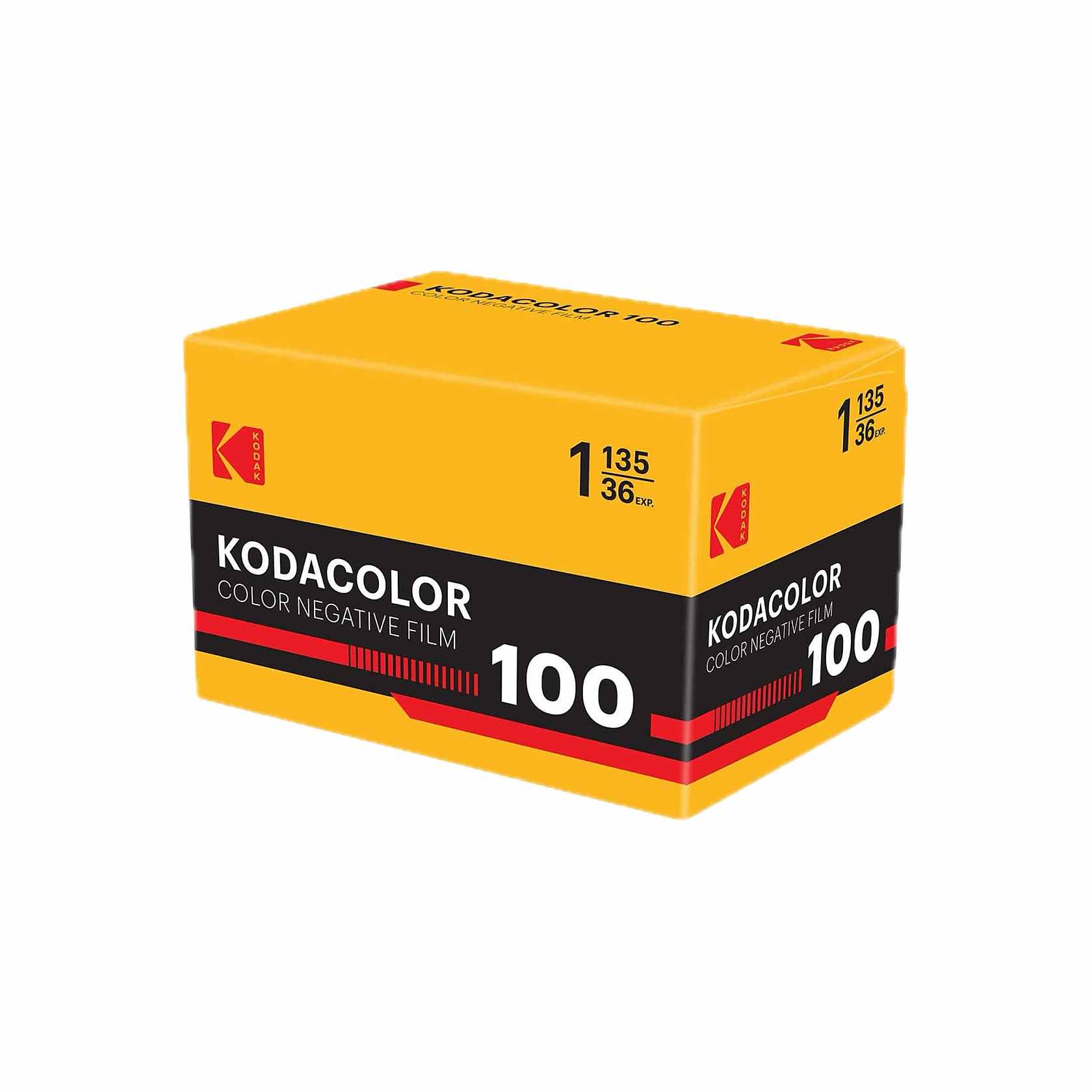
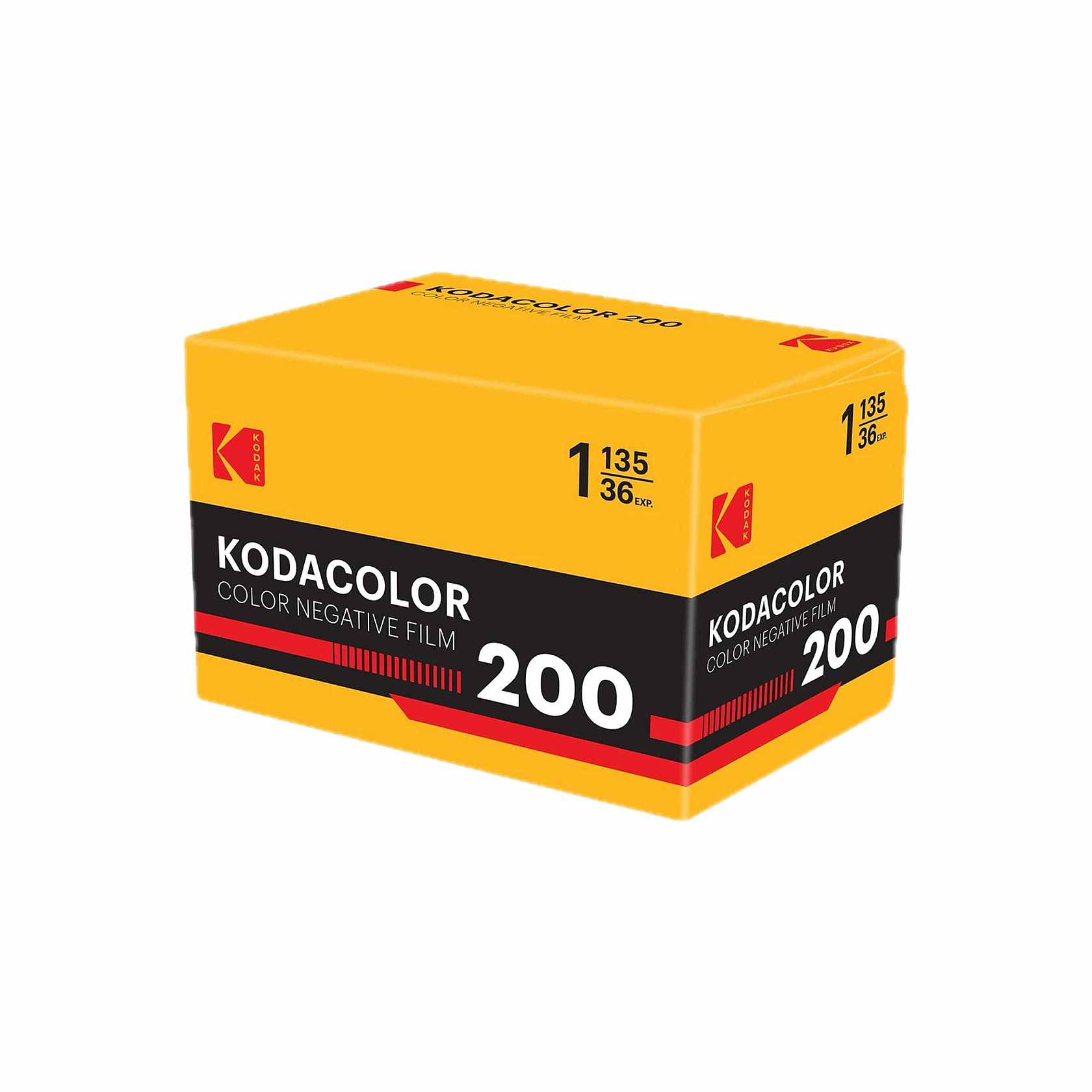

One thing needs to be cleared up here. Kodachrome has not come back. The names are close enough that people mix them up all the time, but Kodachrome was a K-14 slide film discontinued in 2009, and it has not been revived. Kodak headquarters has said more than once that a revival is "realistically impossible," because the chemicals and processing infrastructure it needs are gone. What came out this time is Kodacolor, a C-41 color negative. They are completely different films.
Why change the names? The aftermath of the 2012 bankruptcy
This is the heart of the change. It was not done just to swap boxes.
When Eastman Kodak went bankrupt in 2012, the company split in two. Eastman Kodak Company kept only the job of making film at the Rochester plant, and a separate company, Kodak Alaris, took that film, branded it under familiar names like Portra · T-Max · Gold · Ektar, and distributed it worldwide. For the next 14 years, every roll we bought came through that structure. Eastman ran the factory, Alaris handled the box and the sales.
Since last year, though, Eastman Kodak has started taking that back. Distributing Kodacolor 100 / 200 itself was the first step, and the Ektacolor / Ektapan launch this March made it official. In one line: Eastman Kodak is declaring that it will sell its own film again.
There is a snag. Kodak Alaris holds the trademarks for brand names like Portra and T-Max. If Eastman Kodak wants to sell the same film under its own name, it cannot use those names. So it reached for old classic names. Ektacolor and Ektapan are names Kodak headquarters owns the rights to, and names photographers still vaguely recognize.
With the May lineup expansion, the entire Kodak Professional film range that Kodak Alaris has handled is moving back under Eastman Kodak. Fourteen years of separation are coming to an end.

What this means for photographers
Nothing changes right now when we press the shutter. The same factory makes the same emulsions. The color does not shift and the grain does not change. Confusion over the names, though, is unavoidable for a while. You will go looking for Portra in a shop and find Ektacolor Pro instead. Newcomers will land in a transition period where the same film circulates under two names.
Looking a little further ahead, most people think this change could be for the better. Fewer layers of distribution make prices more competitive, and with headquarters looking after the films directly, the risk of discontinuation drops. That is why Kodacolor 100 arriving at around $9, after more than a decade of steadily rising film prices, is symbolic.

There are unknowns, of course. When the films will officially launch in Korea and at what price, how fast existing Portra stock will clear, and what Kodak Alaris will do next. None of that has taken shape yet. Until Kodak Korea makes an official announcement, parallel imports and existing distribution are likely to run side by side for a while.
A new name does not make a new film. But who is selling that film has clearly changed.
Summary
- Kodacolor, not Kodachrome. Kodachrome remains discontinued.
- The only new products are Kodacolor 100 / 200. Everything else is a rebrand.
- Ektacolor Pro = Portra, Ektapan = T-Max. Same film.
- The real news is not the box design. It is that Eastman Kodak is selling its own film with its own hands for the first time in 14 years.
- For photographers, it is likely a positive sign for price and access.
We hope good film stays on the market, more reliably and for longer. In the end, what we are buying is that one roll.
Official launch timing and pricing in Korea, and Kodak Korea's official position, still need to be confirmed. All box and sample images in this article are official Kodak materials.


