

Harman Rerated the Box Speed
Harman is bringing back the discontinued original Phoenix at ISO 125, a rare case of a box speed changed to match how users actually shot it. It is a different product from its successor, Phoenix II.
A space on Chungjang-ro in Gwangju that keeps film and photo culture going.
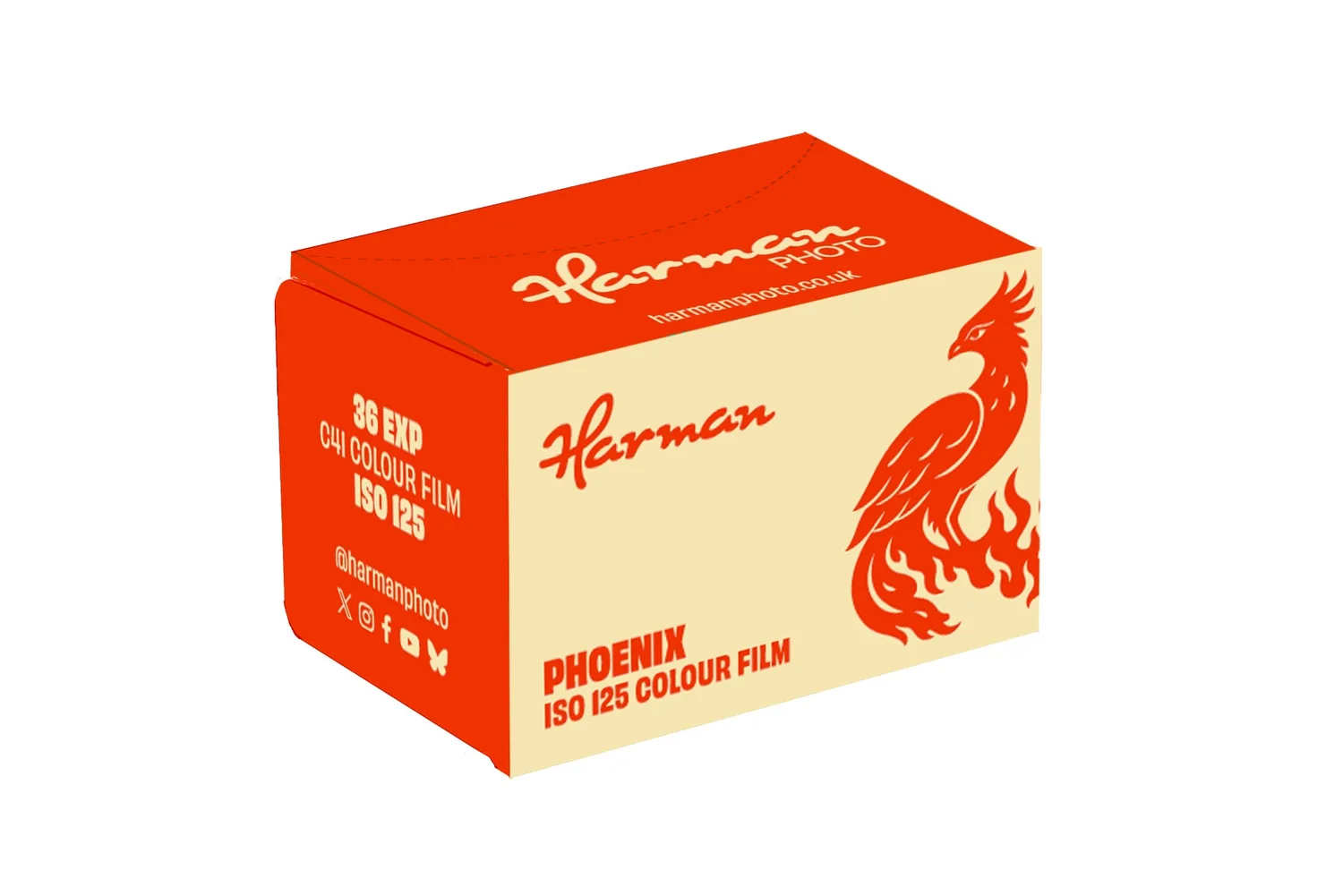
Harman is bringing back the discontinued original Phoenix at ISO 125, a rare case of a box speed changed to match how users actually shot it. It is a different product from its successor, Phoenix II.

Why the 1968 film 《2001: A Space Odyssey》 doesn't go soft on a 4K screen. It was shot on 65mm Eastman 5251 at a speed of 50. More than half its shots were duplicates, but they were copied through black-and-white three-color separation masters instead of color interpositives. Plus the slit-scan rig behind the Stargate and the 2018 8K scan.
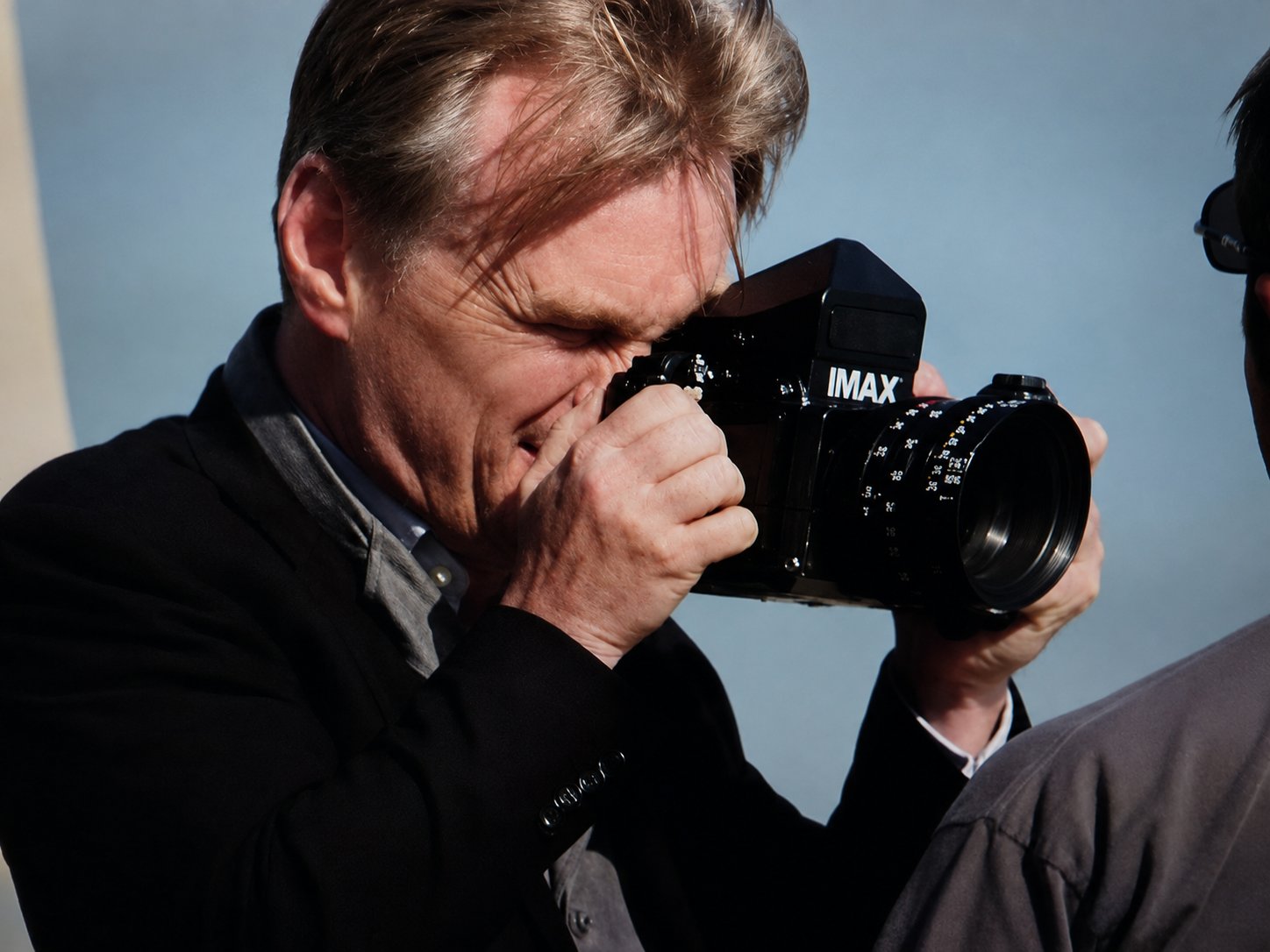
A film camera that takes no pictures: the Pentax 67, which IMAX stripped of its shutter and turned into a director's viewfinder. Why Christopher Nolan reaches for it on IMAX shoots.
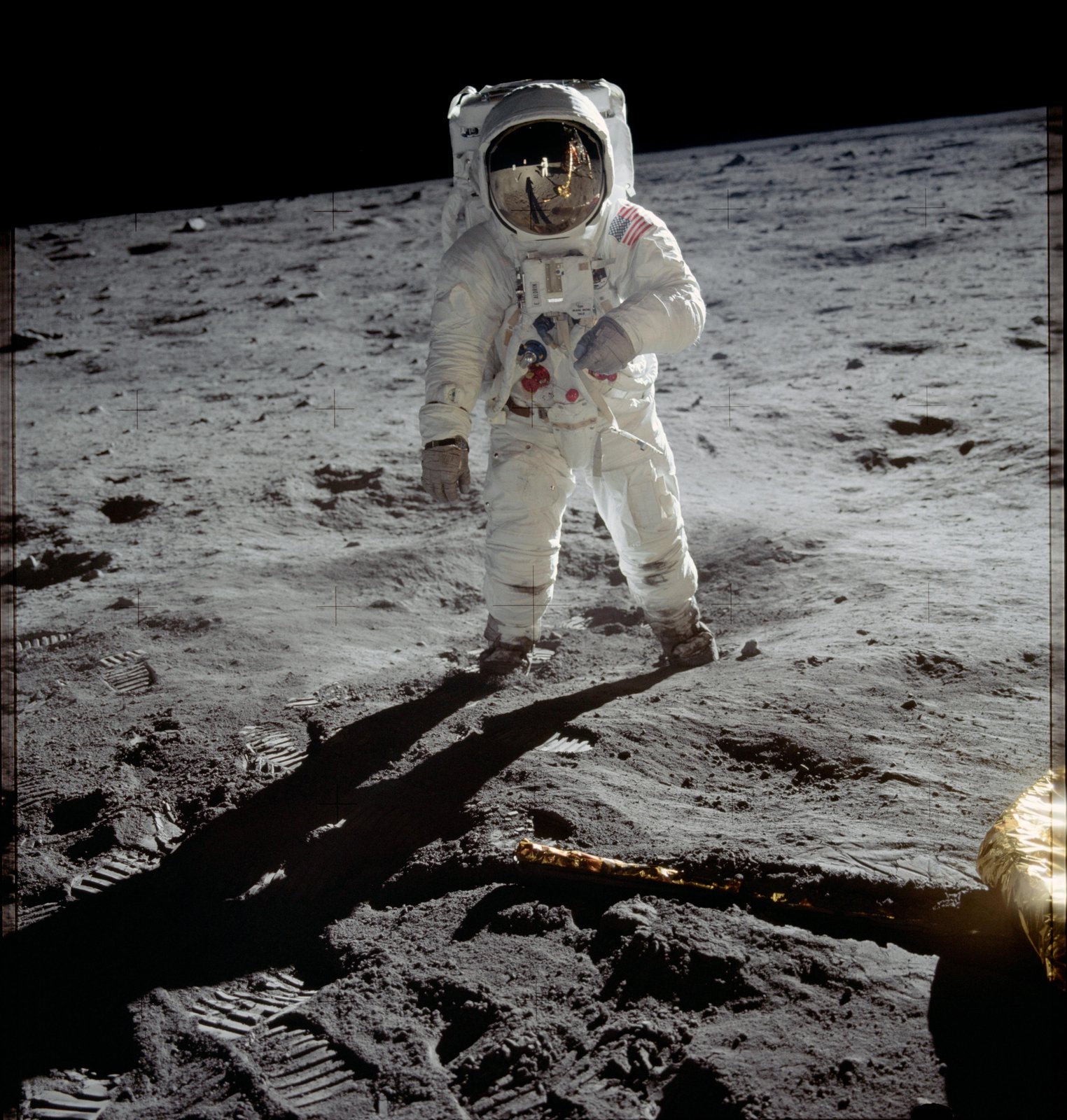
Every photograph humans took on the moon was on film. The story of Hasselblad and Kodak 70mm, the crosses in every frame, and the twelve cameras left behind on the moon.

Every day, the man in 《Perfect Days》 sits in the same spot and catches the light through the leaves on black-and-white film. One Olympus Mju, komorebi, and the way film photography approaches a day.
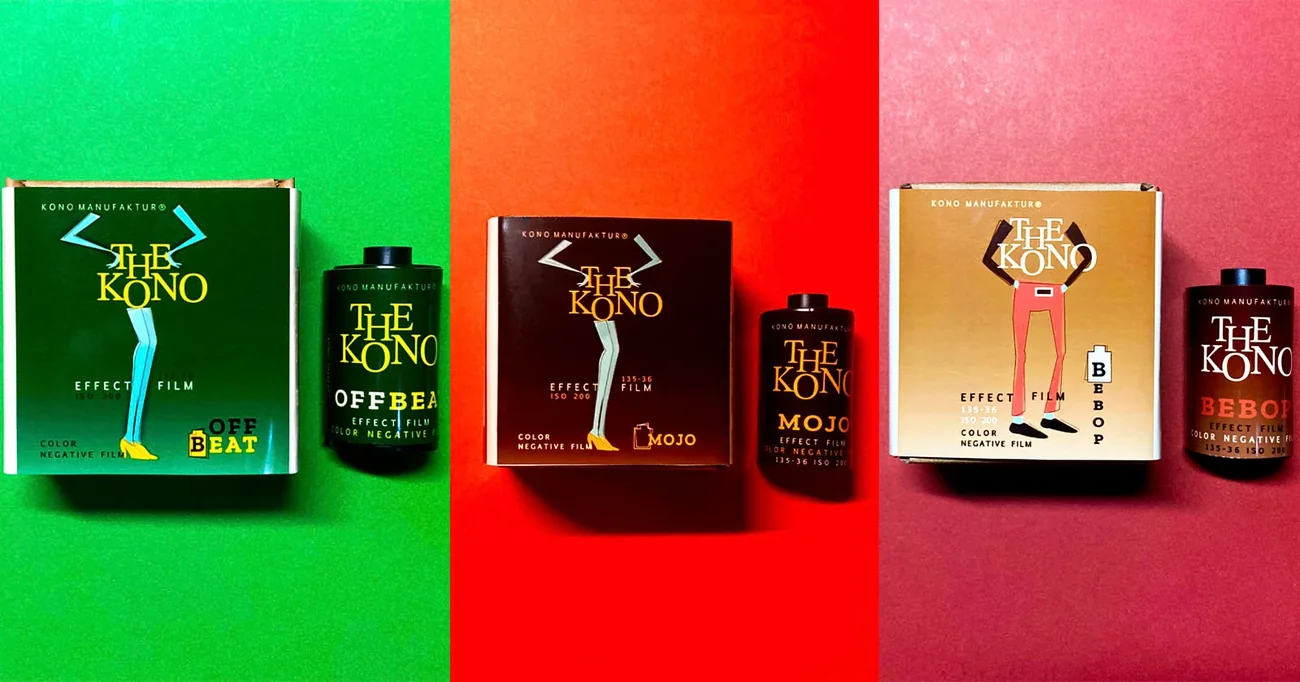
Vienna's experimental film house KONO has released three color effect films with jazz names, all 35mm ISO 200 color negatives. Pink and mint MOJO, green OFFBEAT, amber BEBOP: each comes with its color already built in.
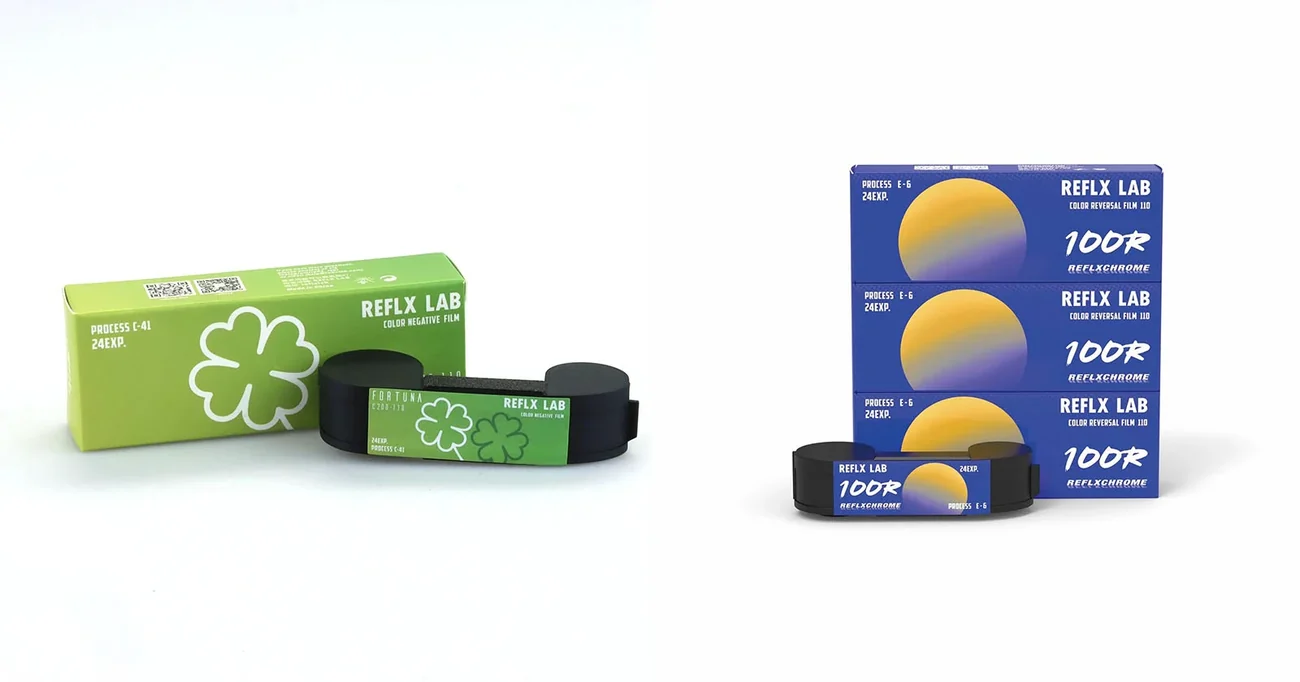
Only Lomography made 110 film. Now Reflx Lab has added two more: Fortuna C200 color negative and 100R color reversal. 24 exposures in a 3D-printed cartridge, a film born as a by-product of making 127.
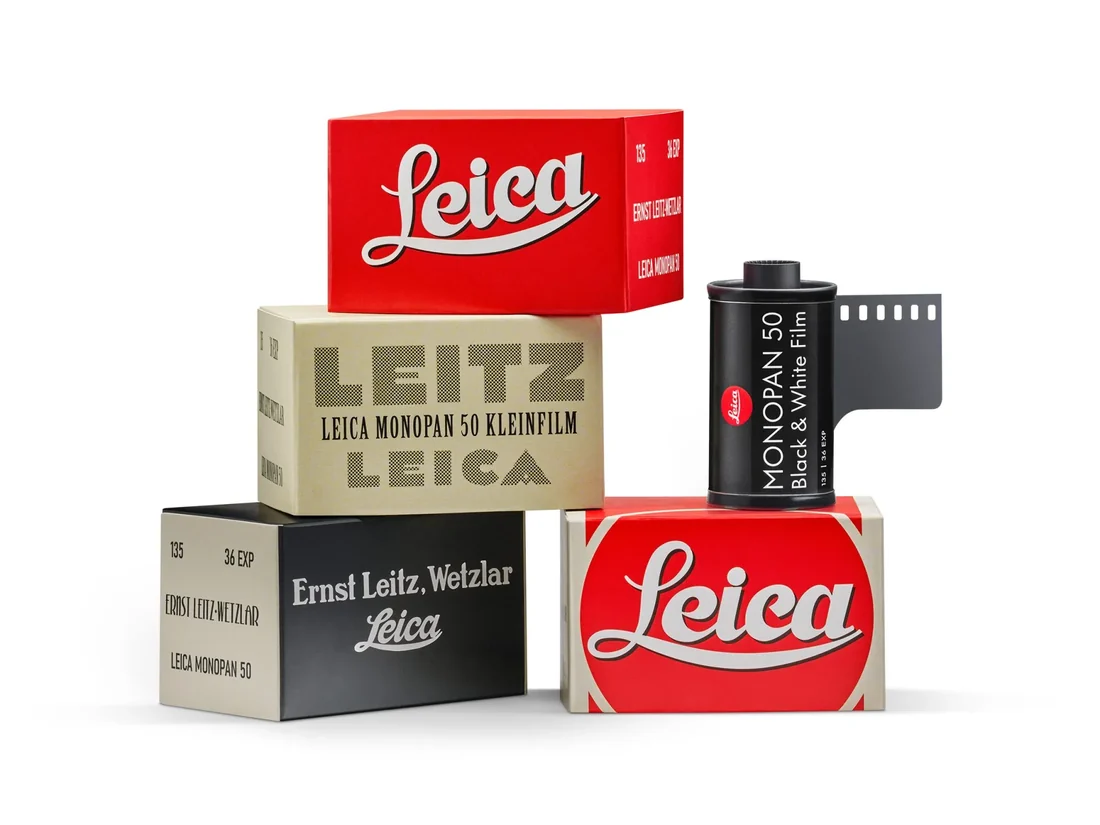
Leica's first 35mm black-and-white film, released for the 100th anniversary of the Leica I. Ultra-fine grain at ISO 50, 280 line pairs/mm, and red sensitivity that reaches into the near infrared. Open the canister, though, and you find Aviphot. The most honest review we could write.
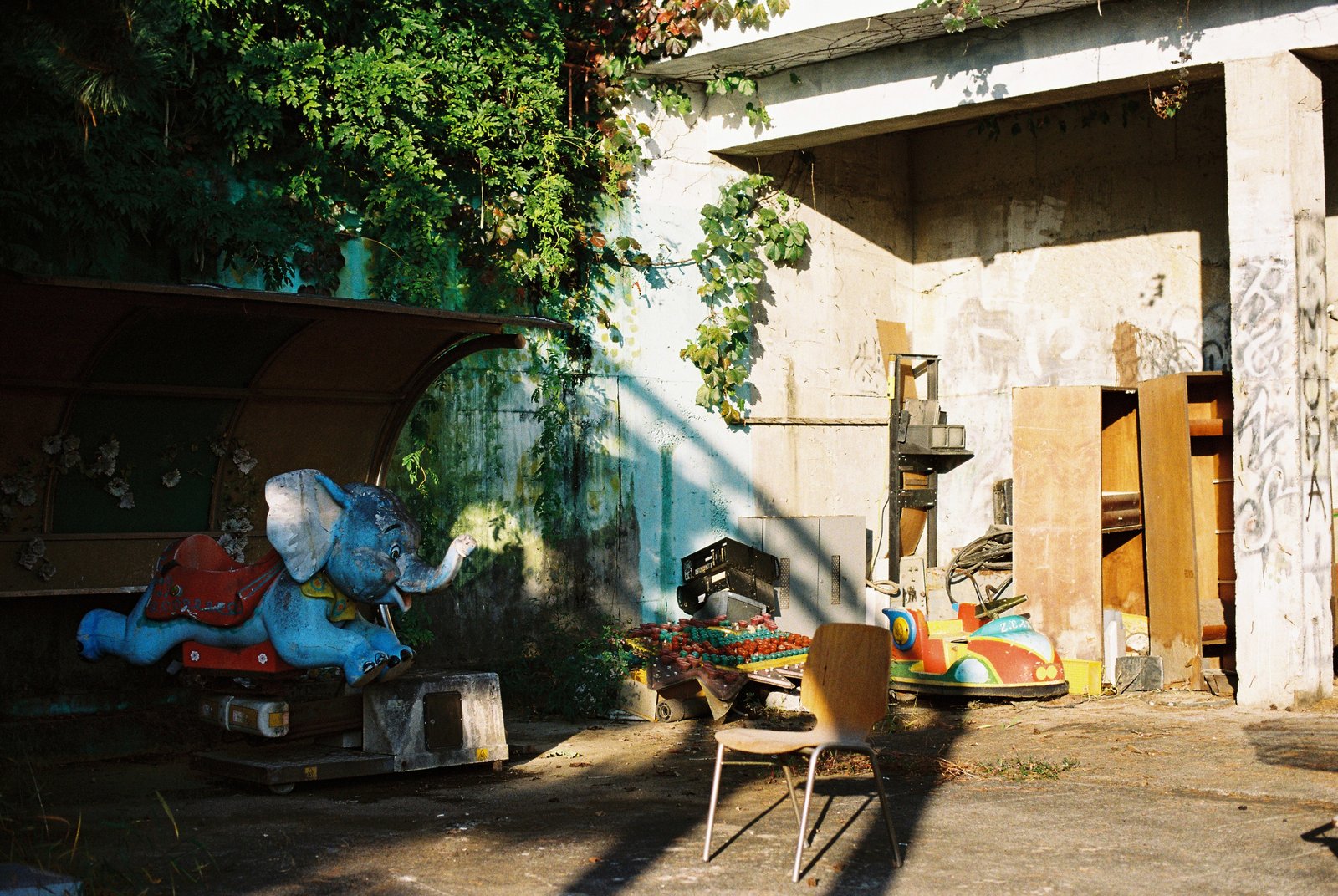
A consumer film that carries Kodak Gold's bloodline but lost the 'Gold' name. From balanced color and natural skin tones to its Print Grain Index, a second look at UltraMax 400.
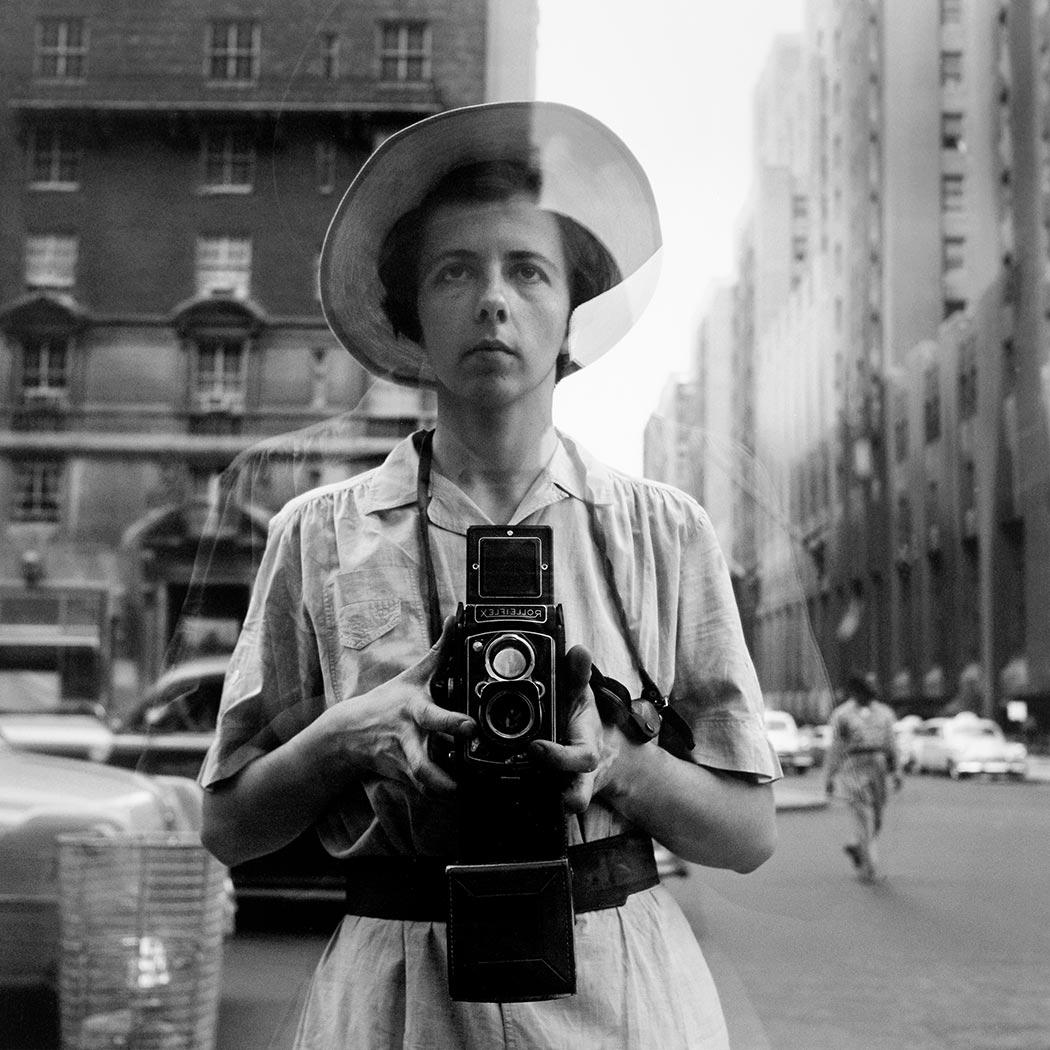
Vivian Maier, a nanny who spent her life looking after other people's children, took 150,000 photographs. The story of a photographer who shot the streets with a Rolleiflex and died without even developing much of her film.

Fred Herzog shot the streets in color twenty years before Eggleston, then stayed unknown for decades. The colors of Kodachrome slides, and the fifty years it took for prints to catch up with them.

The sixth Film Camera Flea Market, hosted by Saeki P&C. On Saturday, May 23, from 10:30 to 16:00, cameras, film and coffee come together at five spots in one alley around Eoulmadang-ro.

Kodak Vision3 500T, a Hollywood motion picture film, reborn as a variant that any C-41 lab can process. Red halation, the freedom of ISO 800, the two sides of tungsten and rough grain: a film that turns everyday life into a scene from a movie.

Digital perfection has no 'feeling.' From the 16mm winter air of 〈Carol〉 to the heavy black-and-white IMAX of 〈Oppenheimer〉, here are 10 films etched in light on film. A first look at five of the movies covered in the 〈Feature〉 section of Vol.02.